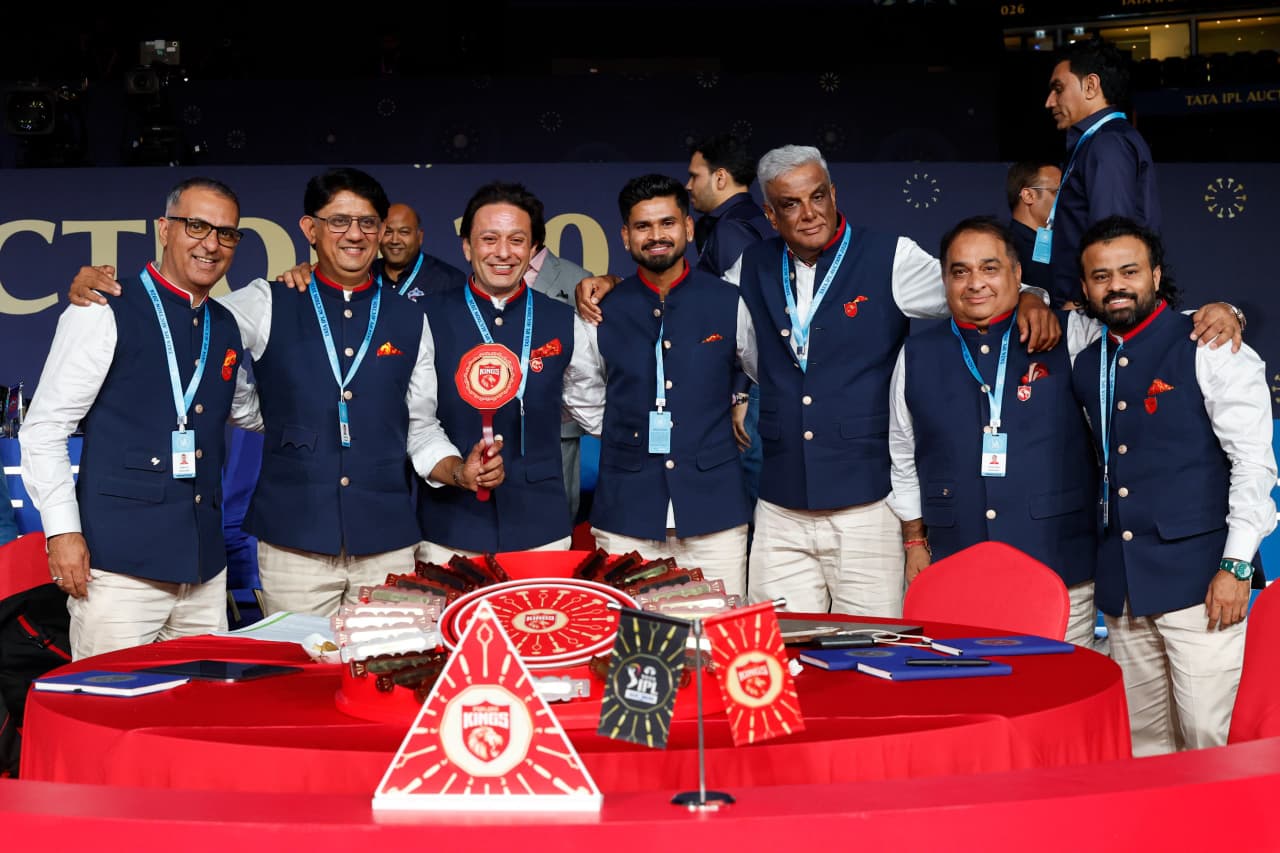
Following Houlihan Lokey’s new report on economics of IPL, the co-owner of one of the league’s eight founding franchises weighs in on media rights, growth of Punjab Kings and the ecosystem of IPL
Mumbai, July 29, 2026. Punjab Kings co-owner Mr. Ness Wadia is among the leading voices who have featured in Houlihan Lokey’s 2026 IPL valuation study, published today. He is one of the league’s original eight owners still running the same franchise that he backed in 2008, when Punjab Kings was bought at roughly $76 million.
As per Houlihan Lokey’s 2026 Valuation Study, that stake has since compounded to approximately ₹1,510 crore (US$158 million), recording a high 12.1% growth from 2025. Post 2026 season, IPL’s business value has risen by 11.4% to US$ 20.6 billion and its brand value has increased to US$ 4.3 billion, witnessing a rise of 10.3% from the previous season.
Beyond the numbers, Mr. Ness Wadia has shed light on multiple aspects of IPL. Looking back at the beginning, he said, “We simply believed Indian sport was ready for a new chapter, and we wanted to be part of building it, it took seven years to break even. We always knew this wasn’t a short-term play. But I still think the IPL is only getting started. I always believed the IPL would become one of the biggest sporting leagues in the world. I just didn’t think it would happen this quickly. Today, when you see institutional investors looking at franchises and global capital entering the space, it validates the conviction we had back in 2008. ”
The numbers back him up. India’s sports economy crossed $2 billion for the first time in 2025, and cricket alone accounted for 89% of it, according to WPP Media’s Sporting Nation report. Season 19 of IPL reached 1.2 billion viewers, registering a 7% year-on-year increase. The 2026 final between GT and RCB reached 400 million across screens, becoming the most-watched match in IPL history.
Mr. Wadia expects that same pull to carry into the league’s next media rights cycle, currently valued at $6.2 billion. “I’m optimistic about the next media rights cycle, not because I’m an owner, but because the fundamentals continue to get stronger. Every year the IPL attracts bigger audiences. That shows the appetite people have for live sport,” he said. “I wouldn’t speculate on the final number, but if you’re asking whether we’ve reached the ceiling, my answer is no. The IPL is still evolving, and I believe its best years are still ahead of it.”
He further quipped, “People also underestimate one very important point, scarcity. There are only ten IPL franchises. That isn’t changing anytime soon. When you combine a scarce asset with growing demand, the long-term outlook becomes very compelling. For me, that’s the real investment thesis. One thing that has never changed is that cricket brings people together. Families still sit down and watch matches together. We’ve also seen a huge increase in women following the IPL, which is fantastic for the game and for the league.”
Punjab Kings’ own growth, he said, has as much to do with geography as cricket. “Whether it’s India, the UK, Canada, the US, Australia, Thailand or the Middle East, Punjabis carry enormous pride in where they come from. That gives us a connection that extends well beyond cricket.” He pointed to “Sarpanch Saab,” the nickname PBKS fans gave to captain Shreyas Iyer that the franchise later built a campaign around, as an example of the brand growing on its own terms.
On merchandise, Wadia called it one of the league’s biggest untapped opportunities. “For years, merchandising was about selling jerseys during the season. Today it’s about building an ongoing relationship with supporters,” he said, describing content, fan data and commerce as businesses that are increasingly running together rather than apart.”
When asked about the WPL, he called its growth “extremely encouraging” and said, “To build an audience of that size in such a short period tells you there’s genuine interest in women’s cricket, and that’s great for the game. If the right opportunity came along, we’d certainly look at it, with the same patience and long-term perspective we’ve applied to every investment we’ve made.”
Eighteen years on, he said the real surprise hasn’t been the money. “It’s been the emotional connection people have with their teams. Families organise their evenings around IPL matches. You can understand that intellectually, but you only truly appreciate it when you’re part of it. The other thing that’s genuinely surprised me is how far the game has travelled. We saw a team from Italy playing at this year’s World Cup, and watching the IPL now stretches into places like South America, countries I never imagined would be following cricket. Year after year, people wait for it. It’s slowly turning into something close to a cult, one that crosses every diaspora.”
He further said, “The IPL has changed the way sport is viewed in India. It’s created careers, inspired investment, encouraged other leagues and built sporting brands that millions of people genuinely care about. “